Published July 3, 2026
Simple unboxings make buying faster because they explicitly answer the practical questions a shopper carries into a purchase decision. While aesthetic videos accumulate thousands of views through mood and pacing, informative unboxings convert those viewers into buyers by prioritizing concrete details like real-world scale and specific material textures.
Brand managers usually notice this conversion gap after launching a new creator campaign. While they watch their dashboard as engagement spikes, daily sales figures barely move. Because the difference between views and purchases does not rely on a higher production budget, conversions depend on whether the video addresses specific points of hesitation.
Aesthetic vs Informative Unboxings
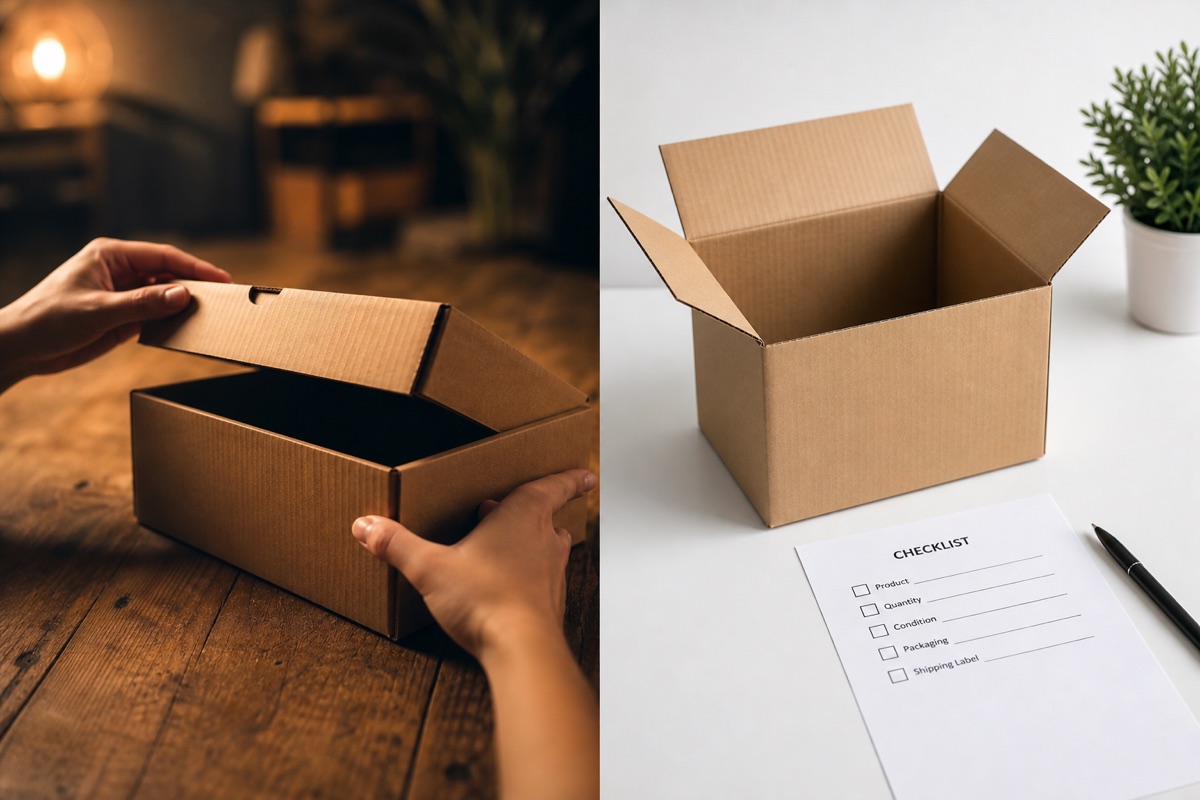
Aesthetic videos focus on beautiful lighting and ASMR audio optimized for extended watch time. Informative unboxings take a practical approach by trading cinematic gloss for detail-forward product validation. This conversational method directly answers questions, which shortens the consideration phase for a hesitant buyer.
Compare two different videos featuring a new home fragrance. An aesthetic creator opens the box slowly over background music without verbal context, leaving viewers guessing if the candle holds 4 ounces or 16 ounces.
Conversely, an informative creator holds that exact same candle next to a standard coffee mug. They state the 40-hour burn time and describe the scent as warm cedar rather than sharp pine, which gives shoppers exact data points that remove purchase friction immediately.
Brands wanting to shift toward this practical format have several sourcing options available. Marketers can tighten instructions sent to their existing creators or source new talent through marketplaces that filter by content style. They might also partner with platforms operating in the structured product reviews space, since these specialized networks offer a ready-made framework where informational checkpoints dictate the production flow naturally.
Producing practical content does not require a brand to abandon high-resolution cameras or clean backgrounds. The primary adjustment simply asks the creator to speak about physical specifications, so they detail the item exactly as it is rather than relying on atmospheric editing.
What Shoppers Need to See Before Buying

Shoppers click on an unboxing video with a mental checklist of unanswered questions. They treat the clip as a substitute for holding the item inside a physical retail store, scanning the footage for practical usability signals. When the creator ignores this checklist, buyers abandon the content and move to a competitor's product page for clearer documentation.
A useful unboxing must address five specific concerns. Viewers first need to verify the real size of an item by seeing it compared to a standard reference object like a smartphone, a water bottle, or an adult hand. Next, they evaluate the packaging quality to see if the cardboard feels premium enough for gifting or sturdy enough to survive transit without interior damage.
The video must then reveal exactly what is included in the shipment. This means showing the full item count alongside any charging cables, accessories, or instructional inserts. The creator also needs to articulate their first impressions of scent, texture, finish, and material weight.
Since a static product page photograph cannot communicate physical elements, the content must demonstrate usability signals. Providing this visual clarity increases conversion rates and reduces fulfillment costs arising from returns. As a result, the creator should show whether a plastic lid opens smoothly or if the base dimensions make sense for everyday household storage.
How to Brief Creators for Useful Unboxings
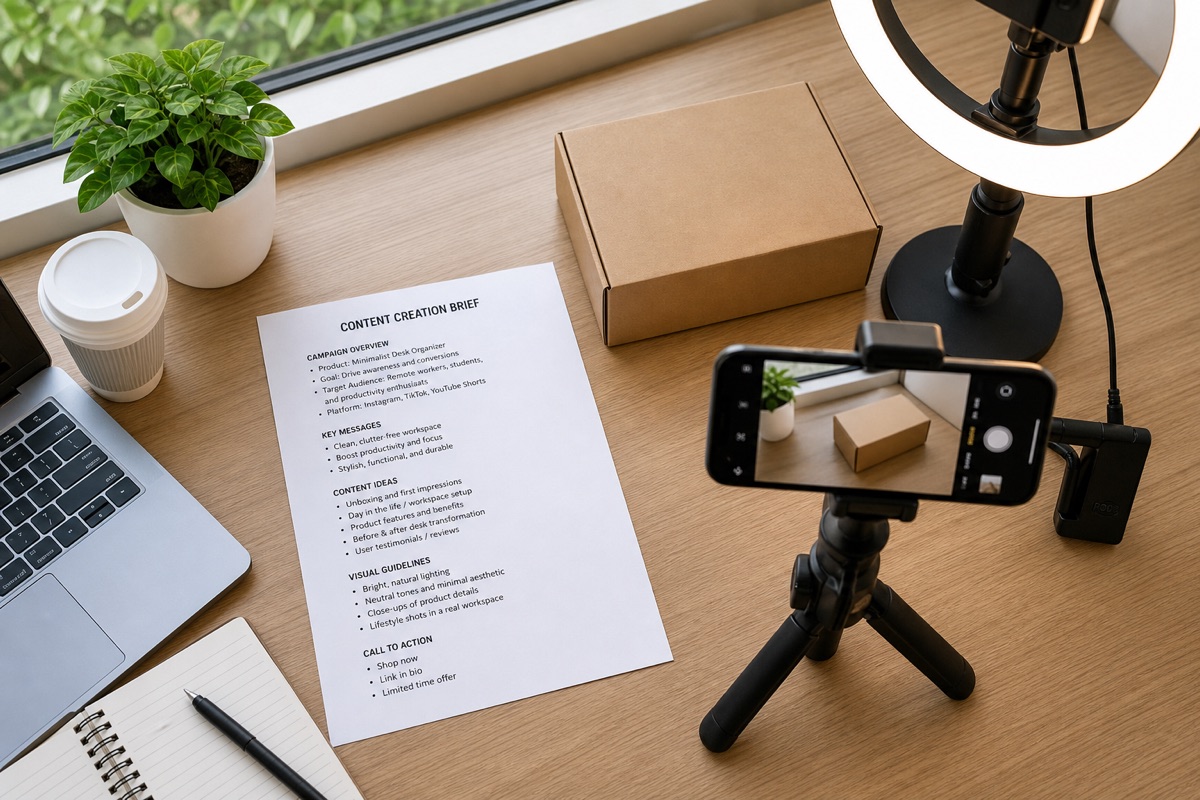
Most creators naturally default to producing aesthetic content unless a brand supplies specific instructions. Providing a well-structured brief changes the informational output without overriding the creator's unique personality or natural on-camera pacing. Brands manage this balance by attaching a detail checklist to the standard campaign contract to outline the exact moments the video must cover.
Building a reliable review system requires clear expectations. Marketers should require these specific actions within the creator guidelines:
- Show everything that is in the box before revealing the hero product.
- Mention the size relative to a common reference object like a phone or a water bottle.
- Describe the scent or texture in plain, specific language rather than vague words.
- Hold the packaging up to the camera and note whether it is resealable, recyclable, or giftable.
- State the exact quantity of items out loud so the viewer knows the total count.
- Share an honest first reaction before diving into scripted talking points.
Applying this checklist forces the finished video to answer the target audience's most urgent questions. Campaign managers should review the submitted rough cut against this exact brief before authorizing the final creator payment, which ensures the creator successfully hit all required production checkpoints.
Business Case for Faster Decisions and Stronger Sales

Providing explicit answers to common product questions accelerates the checkout process. When shoppers receive clear specifications in a video format, they stop digging through external review threads or emailing customer service for dimensions. The footage performs all the necessary validation in under sixty seconds, which eliminates the decision friction that frequently causes cart abandonment.
This honest approach to unboxing content generates measurable downstream business effects for e-commerce operators. National Retail Federation data shows that online return rates are 21 percent higher than returns from all other channels. To combat this, detailed video sets accurate expectations for the buyer, so the physical product perfectly matches the visual representation they saw online.
Return rates for products sold online ranged from 13% to 96%, with an average rate of 56% compared to just 3% for items purchased in person. Because transparency during the initial discovery phase generates higher repeat purchase intent, buyers remember the brand's commitment to clear communication.
Prioritizing functional information builds stronger brand credibility with both creators and their dedicated audiences. Viewers trust reviewers who prioritize real utility over polished advertising, and that trust directly reflects onto the brand that commissioned the straightforward content.
Marketers do not need to overhaul their entire video strategy or increase production budgets to achieve these outcomes. They simply need to update the text inside their creator briefs to deliver immediate results.
The Bottom Line

The most effective e-commerce videos prioritize immediate utility by showing every included component. Upgrading to a structured, detail-forward unboxing format requires attaching a useful checklist to the next round of creator contracts. Before launching a new campaign, managers should apply one strict diagnostic filter to the submitted footage to ensure the video explicitly answers the exact questions a customer has right before checkout.