Published January 16, 2026
Subscription boxes generate organic sales because their built-in mystery and sequential packaging naturally trigger customers to film unscripted, watchable reveal moments. A subscriber cuts the shipping tape, pulls back the branded tissue paper, and broadcasts their raw reaction to 40,000 followers without requiring a single dollar of ad spend.
While standard single-SKU e-commerce delivers one static arrival, a monthly box curates a new emotional trigger every thirty days, compounding the content opportunity with every shipping cycle.
The Subscription Format and the Unboxing Moment Were Made for Each Other

The fundamental value proposition of any subscription model relies on managed mystery. Subscribers exchange payment for expert curation they do not control. A sealed multi-item box forces a sequential reveal that single-SKU purchases cannot replicate, providing the exact curiosity hook that short-form creator content demands.
Creators receiving a monthly skincare or lifestyle box gain distinct material every thirty days without needing to source a new product or construct a fresh narrative. For pet, beauty, and wellness brands, this recurring variety visually telegraphs curation quality better than static product pages.
Uncovering which items drive this excitement requires reading dedicated product reviews
to track exactly what subscribers praise most.
The diverse inventory inside each shipment then provides a built-in content calendar as the creator automatically dissects a fresh theme each month based on those proven winners.
Effective user-generated content maps directly to a three-stage emotional sequence built into the packaging itself. Anticipation builds with the sealed exterior logo and custom-printed shipping tape.
The reveal phase fragments into multiple micro-reveals as the user pulls individual items from shredded kraft paper or molded inserts.
The validation stage occurs when the creator records an unscripted reaction to the curated goods, functioning as immediate third-party confirmation of the shipment's retail value. This sequence fundamentally commands attention, supported by data showing 78% of parents
report their children watch unboxing videos regularly.
Consumer data shows that user-generated content drives an 8.5% higher purchase intent lift across both male and female demographics compared to traditional branded studio assets. Research indicates this directly impacts sales, as 62% of viewers
watching unboxing clips are actively looking for a potential product purchase.
Internal video platform viewership figures consistently show unboxing videos compounding at high double-digit year-over-year growth rates, particularly in categories where buyers want to verify texture, size, and application before purchasing.
Subscription formats specifically outperform single-SKU items in these viewership metrics because the multi-item variety introduces a perceived discovery value that sustains viewer attention longer.
Brands frequently blunt this structural advantage by treating the shipment strictly as a logistics event engineered to protect the product instead of designing the physical reveal for the camera lens. If the tape tears poorly or the items rattle loosely in an oversized mailer, the creator captures that friction permanently.
How to Seed a Box the Right Way (And What You're Actually Trying to Achieve)
Deliberate box seeding requires a declared objective finalized weeks before any inventory hits the mail stream. That specific goal determines the box contents along with the creator brief and the tracking method. Randomly shipping excess inventory to influencers generates unpredictable noise, whereas a targeted seeding strategy engineers specific viewer actions based on the product life cycle.
When the explicit goal involves driving new monthly subscription signups, brands must ship the exact configuration a first-time paying customer receives.
The package must include the standard welcome insert and the monthly curation note.
The resulting video must answer the viewer's immediate question regarding what actually arrives after entering a credit card. Adding premium non-standard extras to a seeded box breaks the trust required to secure a recurring customer.
Campaigns engineered to drive single purchases or limited-edition holiday gift boxes require the creator to emphasize standalone product quality over the ongoing community experience. The creative brief shifts the narrative framing away from joining a long-term club and toward the tangible value of buying the box right now.
Welcome inserts discussing community forums or long-term loyalty points should be stripped from these specific shipments because that messaging confuses viewers looking for a discrete transaction.
Executing these shipments requires strict adherence to a mechanical timeline. Brands must ship inventory a minimum of three weeks ahead of any intended seasonal content window or product launch date.
A creator receiving a winter holiday box on December 20th lacks the production runway to film, edit, and publish the clip before the brand's shipping cutoff expires. Every seeded package should also contain a single-page thematic note explaining the curation choices to provide narrative context without demanding a restrictive script.
Brands must avoid providing scripted talking points since audiences quickly detect coached reactions and scroll past the video. Instead of dictating a script, guide the visuals.
For visually driven niches like pet accessories or color cosmetics, pack the box with items displaying high color contrast, visible texture, and legible typography that registers on a smartphone lens at arm's length. Always secure perpetual content usage rights in the initial email agreement before generating the shipping label to ensure you can repurpose the footage later.
Engagement data consistently indicates that micro-creators managing between 10,000 and 100,000 followers generate higher subscription conversion rates than macro-influencers targeting generalized audiences. According to recent industry benchmark reports, micro-influencers sustain engagement rates roughly 3.8% higher than accounts exceeding one million followers across standard posts and short-form video formats. Niche audiences trust niche creators, and that concentrated trust overrides raw reach when convincing a viewer to commit to a monthly billing cycle.
Consider a pet supply company shipping 200 tailored boxes to micro-creators in the dog-training niche holding 15,000 to 80,000 followers, each maintaining a documented 4% baseline engagement rate. A conservative 1% conversion rate on videos averaging 30,000 views produces 60,000 highly targeted subscriber touchpoints from one concentrated mailing effort. Publicly documented strategies from category leaders in the pet and cosmetics spaces heavily rely on this exact micro-tier seeding architecture to maintain their recurring acquisition pipelines.
Your Customer Is Already a Creator: You Just Haven't Activated Them
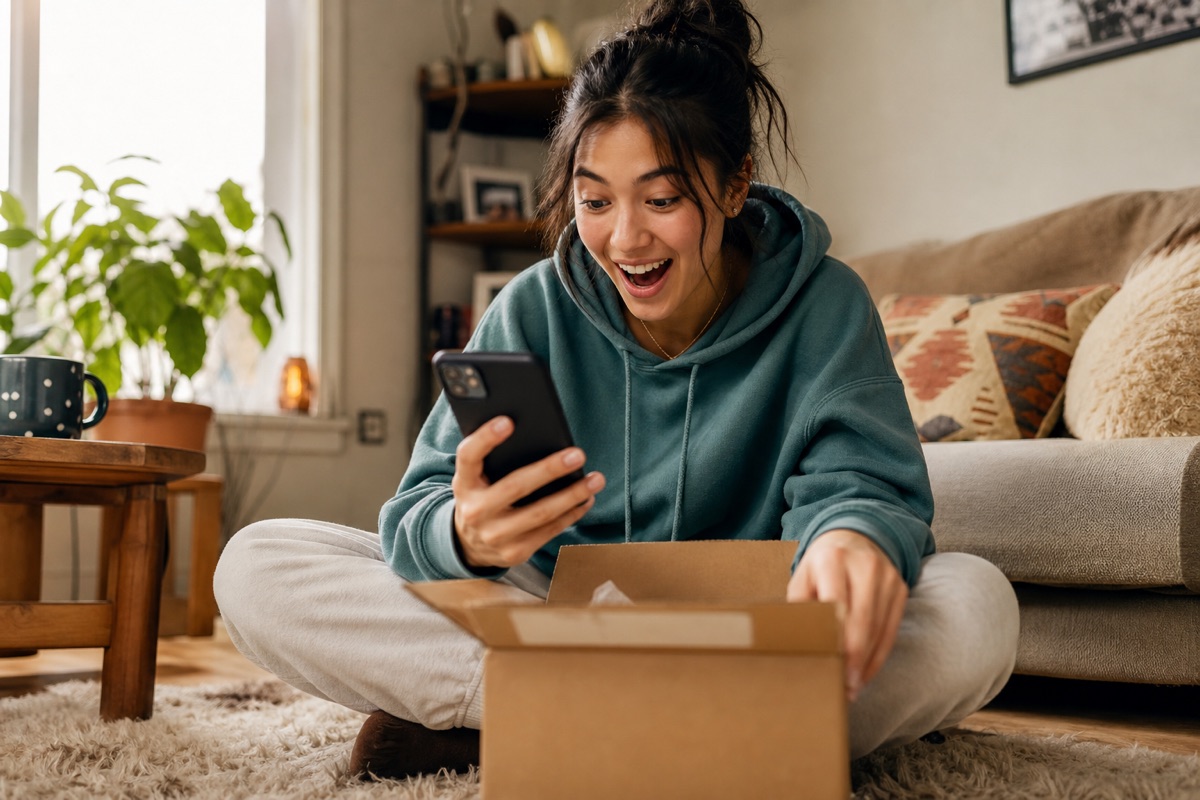
Every current subscriber who snaps a smartphone photo of their monthly delivery, texts a reaction to a friend, or tags the brand on social media operates as an active content producer. A formalized creator seeding program amplifies the behaviors that already exist within the customer base instead of manufacturing artificial enthusiasm from cold audiences. Dedicated buyers in the lifestyle, cosmetics, and pet verticals already possess strong niche passions, leaving the brand with the simple task of surfacing and rewarding their existing sharing habits.
Before briefing a single creator, marketing teams should spend time reading what real subscribers actually say across social comments and community forums to understand the exact language their audience naturally uses.
Platforms surfacing genuine first-person accounts offer a much cleaner signal than internal survey data.
They capture raw unprompted reactions instead of polite responses warped by a company questionnaire. This pre-brief research functions effectively alongside standard social listening tools and targeted subscriber phone calls.
Leading brands position their sharing prompts physically inside the box, printing branded hashtags on the inner lid, the sealing sticker, or the first visible tissue paper layer where the actual discovery moment occurs. This interior placement pairs with a frictionless single-tap call to action printed on the packing slip. It directs users to tag a specific handle rather than typing out a lengthy submission URL while holding physical merchandise.
Formally highlighting this organic content by reposting user videos or pinning customer photos to the brand's primary feed creates a visible social reward system that incentivizes the remaining subscriber base to film their next delivery.
This dynamic actively reduces monthly churn, since customers who publicly share their unboxing routines develop a documented identity connection to the brand.
Published cohort studies on subscription retention frequently indicate that users actively participating in community tagging exhibit lower cancellation rates because the public affiliation raises the psychological friction of unsubscribing.
Don't Let the Clip Die After the Post: Retargeting and Winback Strategy

A vast majority of e-commerce operators mistakenly treat a published unboxing video as a temporary social event that peaks within 72 hours before exiting the marketing funnel.
The recorded clip retains immense commercial value long after the algorithmic feed stops surfacing it to new viewers, with its highest conversion leverage occurring weeks later inside paid retargeting environments and automated lapse campaigns.
Short-form unboxing clips consistently outperform polished studio creative in retargeting flows because they immediately demonstrate the physical items functioning in an authentic, familiar context.
The creator's unscripted emotional reaction operates as a direct third-party endorsement embedded directly inside the ad unit, removing the need for the viewer to explicitly trust the corporate brand.
When a potential buyer visits a subscription landing page and abandons their cart, watching a real person dissect the exact box they just viewed resolves their lingering hesitation far more efficiently than reading a static list of product benefits.
Load the secured video file directly into standard social ad managers as a warm-audience retargeting asset. Marketers must target recent landing page visitors while strictly excluding current active subscribers to preserve the advertising budget.
Alternatively, utilizing native post boosting formats allows brands to financially amplify a creator's organic video directly in the feed. This unique format maintains the raw interface of the original video and avoids the artificial production-quality shift that alerts demographic segments when an organic clip is ripped and awkwardly re-uploaded as a standard commercial block.
Published case studies from independent ad platforms consistently measure user-generated creative delivering a 22% to 28% reduction in cost-per-acquisition compared to static lifestyle imagery.
Platform documentation highlights that boosted organic posts drive significantly higher completion rates and lower skip rates than standard in-feed video ads across multi-generational segments. Integrating genuine unboxing footage into these specific ad units reliably suppresses customer acquisition costs.
Beyond paid social media, lapsed subscribers represent a profitable, high-intent audience that already understands the billing structure and requires less capital to reacquire.
The fundamental goal of a structured winback email campaign involves framing the expired subscription as a temporary pause in an enjoyable routine rather than a complex billing dispute requiring immediate resolution.
Marketing teams achieve this by embedding a 15-to-30-second unboxing clip from the currently shipping box directly into the email body, explicitly showing the former customer the exact items they are missing this month.
The email must pair this video asset with a single, low-friction re-entry offer, such as a bonus accessory or a temporarily reduced monthly rate, positioned above one unambiguous checkout button.
Subject lines leading with curiosity, like "We saved an extra box for you," consistently generate higher open rates than aggressive discount formats because they bypass the reader's natural reflex to delete promotional spam.
Industry benchmark data from leading email marketing platforms indicates that a spaced, three-email winback sequence dramatically outpaces the conversion rate of a single isolated message. The optimal structure deploys the embedded video on day one, follows up with a strict deadline for the re-entry offer on day seven, and concludes with a low-pressure farewell message on day fourteen.
Integrating video assets into this exact flow routinely increases the aggregate click-through rate by up to 65% across both desktop and mobile email clients.
Your Next Steps
Establishing a disciplined routine of consulting authentic subscriber perspectives ensures every subsequent creator brief targets the correct emotional triggers.
By continuously cycling those resulting creator videos into active retargeting campaigns and automated winback sequences, the brand builds a self-sustaining content loop that operates long after the original 72-hour social window closes.
Execute the following three steps during the current shipping cycle:
- Audit the current interior unboxing experience strictly from a smartphone camera's perspective, verifying that a first-time viewer can visually comprehend the brand's core value proposition within the first 60 seconds of the reveal.
- Identify three micro-creators in the specific product niche whose audience demographics match the target subscriber profile, and draft a dedicated seeding brief declaring whether the shipment targets long-term signups or immediate one-time purchases.
- Pull the last 90 days of organic, subscriber-generated videos, secure the formal commercial usage rights for the highest-performing clip, and immediately assign it as the primary video asset in the next warm-audience retargeting campaign.