Published April 8, 2026
Getting better product coverage requires giving creators a structured one-page UGC brief that explicitly outlines the product story, content goals, and format requirements.
When you provide specific narrative constraints instead of vague suggestions, creators stop guessing and produce usable, on-brand content for your seeding campaign immediately.
The standard eCommerce team ships a seeding box, waits two weeks, and gets back three blurry videos, one post that misnames the product, and a flat lay that looks nothing like the brand. The physical product arrived perfectly fine, but the accompanying instructions failed to guide the creator.
Teams running their first product seeding campaign often find themselves stuck in this cycle of inconsistent, unusable output because they rely on hope rather than structure.
A strong brief functions as a service tool for the creator rather than a strict compliance document for the brand. When your brief communicates the exact visual outcomes required, creators know exactly where to point the camera. Guessing is where coverage breaks down, which inevitably leads to delayed posting schedules and costly reshoot requests.
What a UGC Brief Needs to Do

A brief's single job is to give the creator enough context to make production decisions without making those exact decisions for them. A proper creator document sets the visual direction and defines the final content goal. In contrast, a rigid script removes the creator's voice entirely, and audiences scroll past scripted material within the first three seconds.
A well-constructed brief communicates the product's story in plain language, defines what a successful video looks like for this specific campaign, and leaves room for natural style.
For subscription box brands in particular, the unboxing moment serves as the primary product story. A brief structured around this specific sequence makes the difference between forgettable filler and shareable product reviews that generate real discovery.
Brevity acts as a deliberate design choice rather than a creative shortcut. A one-page document respects the creator's time, increases the likelihood they read the requirements, and directly correlates with higher-quality asset delivery. Over-briefed creators produce robotic videos, while under-briefed creators deliver off-topic posts, making a single structured page the optimal middle ground.
Key Elements of a UGC Brief
You can use the following checklist to audit any creator brief you have already written or plan to distribute. Each element requires only a few lines of text while providing the exact boundaries a creator needs to stage, shoot, and edit their footage.
1. Product Context
Provide the exact product name, category, and a one-sentence description so the creator can quickly identify the item before the package arrives. Add a single sentence explaining the key differentiator, such as noting that a botanical sleep balm uses a cold-press process that preserves active compounds. Follow this with one short phrase describing the target customer, specifying if the product targets people who treat their nighttime routine as a physical recovery ritual.
2. The Content Goal
State the specific visual or narrative outcome the content must accomplish instead of listing platform vanity metrics. This content goal anchors every other decision the creator makes about framing, lighting, pacing, and editing emphasis during production. For example, explicitly instruct the creator to show the sealed box, the first layer reveal, and the texture of the balm on the back of the hand in that exact sequential order.
3. Hook Direction
Provide one or two structural starting points to establish a compelling opening scenario without dictating the entire video timeline. Supplying direction like starting with the product already in use before cutting back to the initial unboxing gives the creator a functional hook. Brands frequently leave this section blank, which forces the creator to invent the angle from scratch and delays production.
4. Format Guidelines

List the necessary platform, video length, image count, and aspect ratio required for the final deliverables. A simple bullet point specifying Instagram Reels, 30 to 45 seconds, and a vertical 9:16 ratio provides all the necessary technical guardrails for export. Avoid pasting a massive brand style guide into this section, because complex visual rules overwhelm the creator and slow down camera work.
5. Content Tone
Select exactly three adjectives that describe the content's required emotional register, such as warm, honest, and calm.
Limiting the tone to three specific words replaces paragraphs of dense brand voice documentation and allows the creator to internalize the visual vibe immediately. If you need more than three words to outline the feel of the video, your brand lacks voice clarity at the foundational level.
6. Posting Window
Provide a concrete date range for the content to go live rather than asking the creator to post the video as soon as possible. Include any blackout dates or strict product launch embargoes the creator must navigate around during the active campaign window.
Ship the brief and the physical product so they both reach the creator a minimum of two weeks before the earliest expected posting date.
7. Disclosure and Rights
Include a one-line disclosure reminder prompting the required use of promotional hashtags according to the creator's regional advertising guidelines. Specify clearly whether the brand requests permission to reuse the resulting content, across which exact marketing channels, and for what duration. Adding a clause allowing the brand to repost the content for up to six months across owned social channels establishes professional expectations upfront.
What to Leave Out
Deliberately removing specific brand elements from your document prevents the creator from feeling micromanaged on set. Excessive instructions signal that the brand does not trust the creator's visual judgment, which produces cautious, lifeless videos.
Word-for-word scripts. Scripted content sounds rigid and forces audiences to scroll past the video within the first few seconds. A script functions as a production spec rather than a creative brief, stripping away the authentic voice that built the creator's audience in the first place.
Mandatory creative overload. Including more than three required creative components pushes the document from helpful direction into direct control. Each additional mandatory rule restricts the creator's camera range and guarantees the final video feels constrained.
Full brand guidelines. Font stacks, specific hex codes, logo usage rules, and detailed founder origin stories serve no functional purpose in a creator brief. Include only the concrete elements that directly dictate the footage being shot to keep the document short and actionable.
Multiple core messages. Attempting to cram three distinct product benefits into a single short video ensures the audience remembers none of the features. Choose the single most important product message and build the entire brief around highlighting that one specific fact.
Red Flags That Kill Coverage
Identifying poor instructions early prevents wasted shipping costs and lost inventory. These specific phrases signal a strategic gap between what the brand expects and what the brief actually communicates to the camera operator.
Asking for a viral video. This phrase provides zero actionable direction about the physical product, the target audience, or the visual objective. Requesting virality proves the brand has confused a metric outcome with a creative brief, leaving the creator with no steps to execute.
Telling them to just be themselves. While well-intentioned, this phrase abandons the creator without any structural framework to build their shots around. Supplying this vague direction without product context or format specs results in authentic footage that misses the campaign's objective.
Last-minute brief delivery. Sending the required instructions on the exact same day the product box arrives removes the creator's ability to plan out shots, batch-shoot their content, or intentionally stage the video. You must build in at least two weeks of lead time, because rushed instructions consistently generate sloppy deliverables.
Sample UGC Brief Template
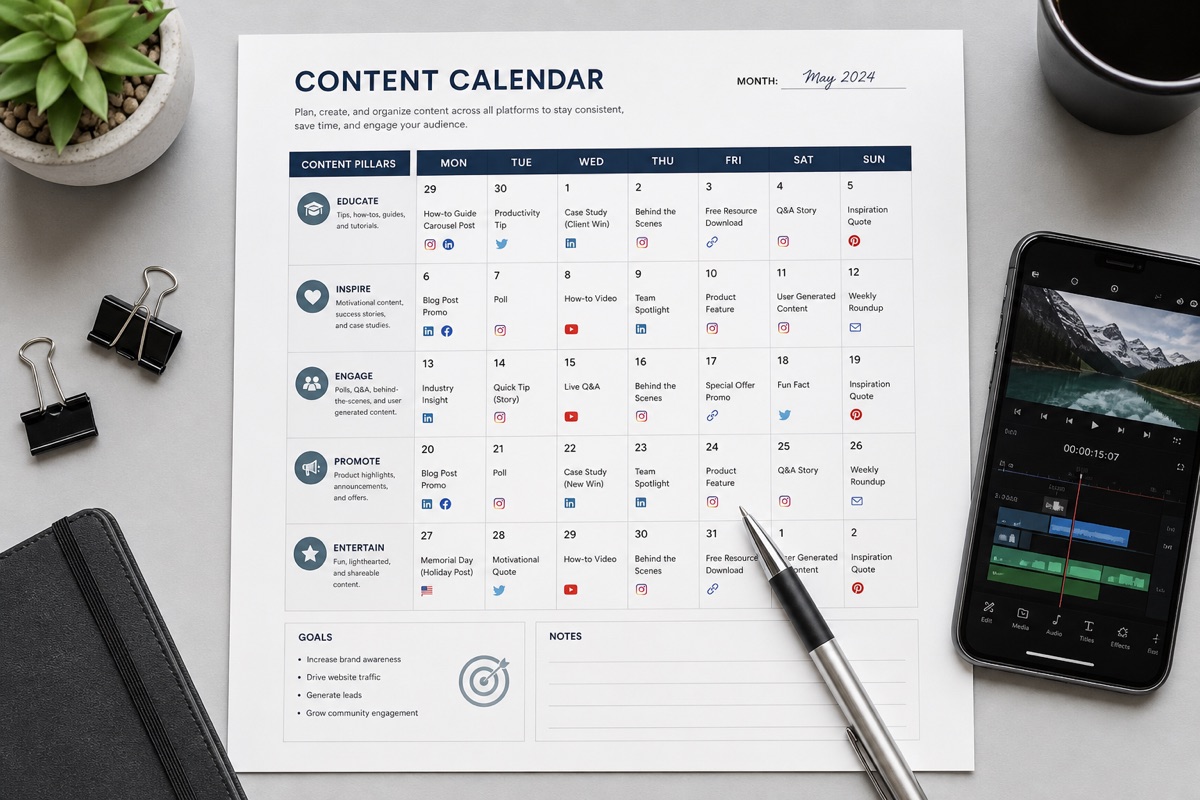
Use this structured template to standardize your creator outreach and eliminate missing production information. Each individual section provides exactly what the creator needs to frame their shots and deliver usable digital assets.
PRODUCT SEEDING BRIEF
PRODUCT
Name and Category: Botanical Sleep Balm, Wellness
What makes it different: Uses a cold-press process to preserve active compounds.
Who it is for: People who treat nighttime routines as physical recovery.
CONTENT GOAL
What we want the content to do: Show the texture and the unboxing moment, in that exact order.
WHAT TO SHOW
Suggested opening hook: Start with the sealed package before any reveal occurs.
Must-include product detail: The embossed lid and the scent card inside the box.
FORMAT
Platform: Instagram Reels or TikTok
Length: 30 to 45 seconds
Aspect ratio: 9:16 vertical
TONE
Three words: Warm. Honest. Calm.
POSTING WINDOW
Go live between: [Start Date] and [End Date]
Blackout dates: [Any restricted dates]
DISCLOSURE AND RIGHTS
Include required disclosure tags per your region's guidelines.
By posting, you agree to allow the brand to repost this content for up to six months across owned social channels and the brand website.
The Path Forward
A vague instructional document guarantees vague video content, while a precise one-page creator brief replaces guesswork with a repeatable operational system. When creators know exactly what visual outcomes you need, they can focus their energy on lighting, framing, and pacing rather than decoding your brand strategy.
A brief that covers product context, the exact content goal, required format, tone, posting window, disclosure, and rights gives the creator all the necessary guardrails. This specific structure treats the unboxing moment and product demonstration as a critical marketing asset rather than an afterthought left to chance.
Inconsistent video coverage stems directly from a systems failure rather than a creator talent failure. Every future seeding campaign must run from a standardized document to ensure reliable output.